







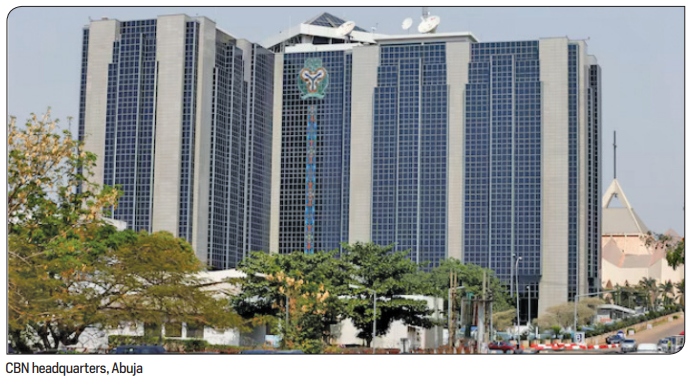
The Central Bank of Nigeria (CBN) has attributed the country’s rising foreign reserves to renewed investor confidence and sustained capital inflows, saying ongoing economic reforms are strengthening macroeconomic stability and restoring confidence in Nigeria’s financial system.
The Acting Director of Corporate Communications and Investor Relations, Mrs. Hakama Sidi Ali, disclosed this while delivering the opening remarks of the CBN Governor, Mr. Olayemi Cardoso, at the CBN Fair held on Tuesday at the International Conference Centre in Gombe, statement issued by CBN said.
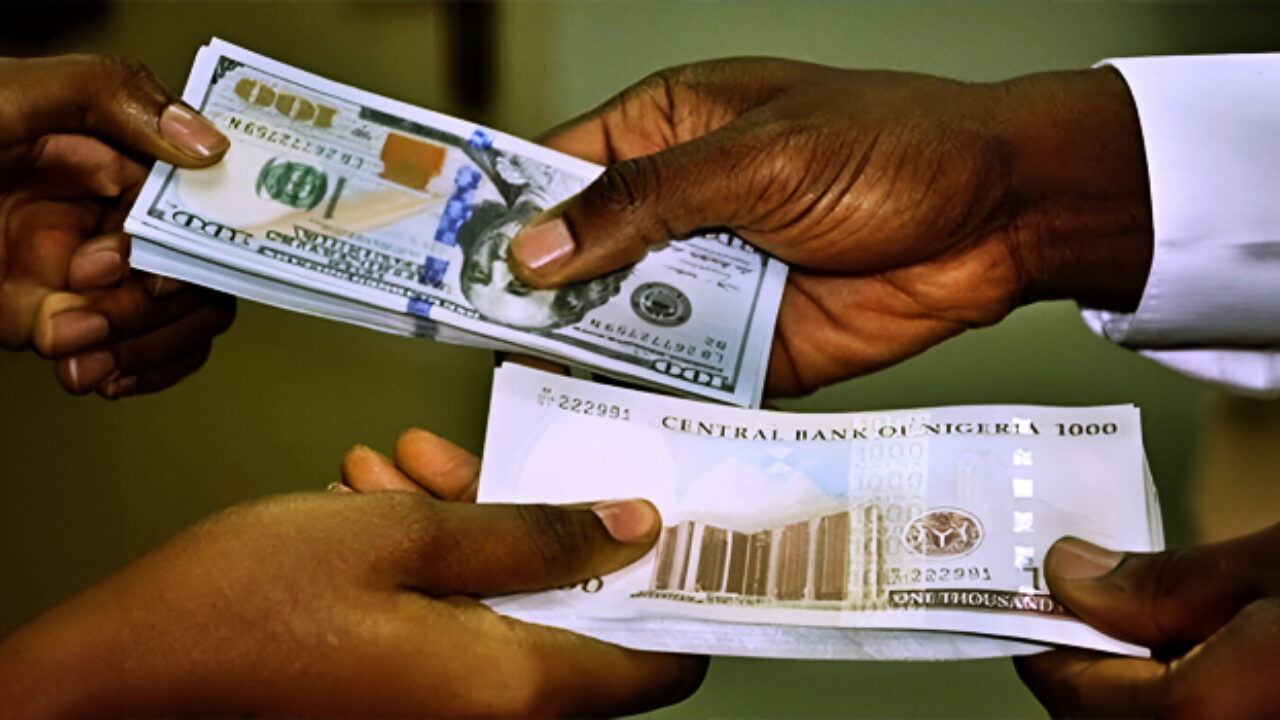
According to her, Nigeria’s foreign reserves rose above $52.5 billion as of July 17, 2026, marking the highest level in 17 years and surpassing the Central Bank’s annual target.
She said the increase was driven by sustained foreign exchange inflows and renewed investor participation across various asset classes, reflecting growing confidence in the country’s economic management.
Mrs. Sidi Ali noted that reforms introduced under the leadership of CBN Governor Olayemi Cardoso are beginning to yield tangible results, including improved macroeconomic stability, moderating inflation, and increased confidence in the foreign exchange market.
She revealed that headline inflation eased marginally from 15.93 per cent in May to 15.91 per cent in June 2026, while both food and core inflation also declined. She attributed the improvement to disciplined monetary tightening, exchange-rate unification, and enhanced market transparency.
The CBN spokesperson further stated that the naira has continued to strengthen, with the gap between the official exchange rate and Bureau de Change rates narrowing to below two per cent, describing the development as a sign of improving stability in the foreign exchange market.
Highlighting the Bank’s reforms over the past 34 months, she listed the banking sector recapitalisation programme, the launch of the non-resident Bank Verification Number (BVN), the B-Match foreign exchange trading platform, the Nigeria Payments System Vision 2028, and the introduction of the Nigerian Overnight Financing Rate benchmark.
Mrs. Sidi Ali reaffirmed the CBN’s commitment to maintaining monetary and price stability through policies that encourage investment, deepen financial markets, and support sustainable economic growth.
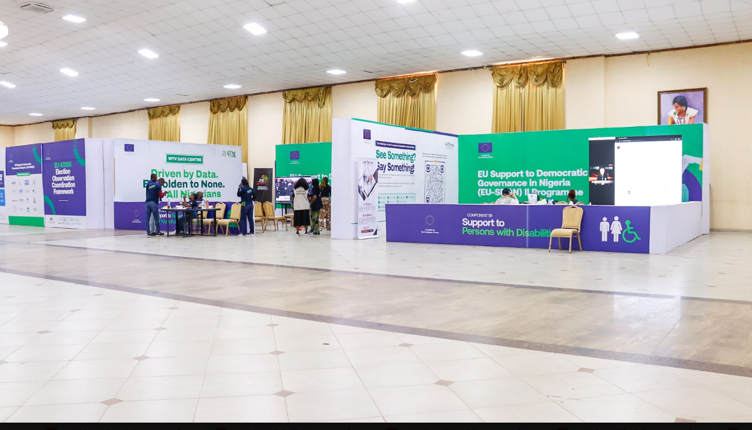
Earlier, the Branch Controller of the CBN Gombe Branch, Mr. Yunusa Buba Mubi, described the CBN Fair as an annual public engagement platform aimed at educating Nigerians on the Bank’s policies while providing stakeholders with an opportunity to ask questions and offer feedback.
He encouraged participants to actively engage in the sensitisation sessions to deepen public understanding of the CBN’s initiatives and their impact on the nation’s economy.