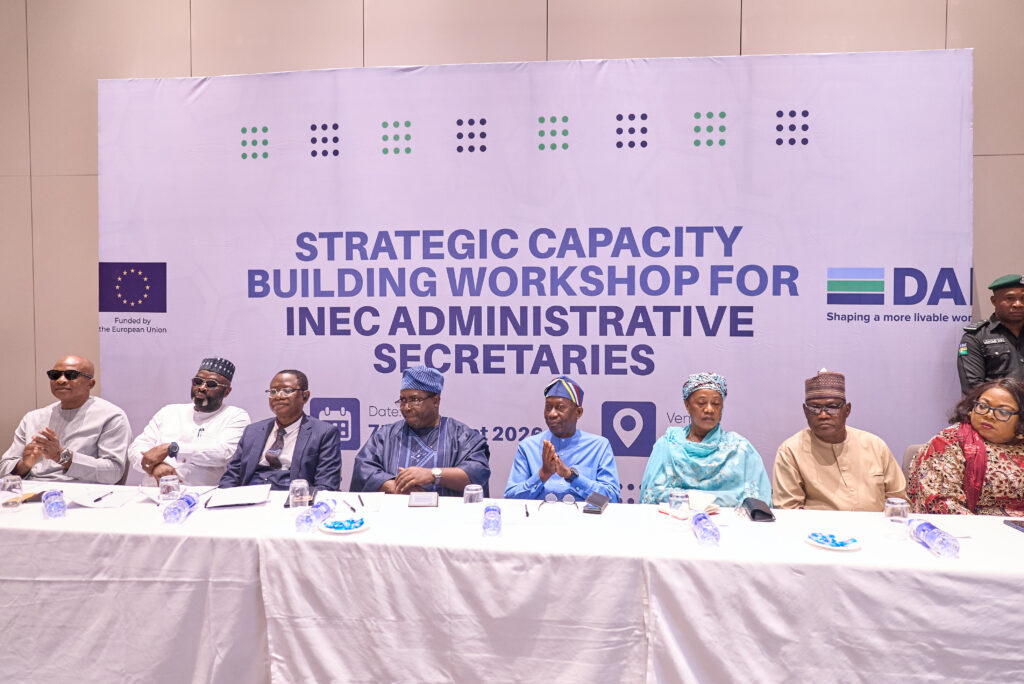



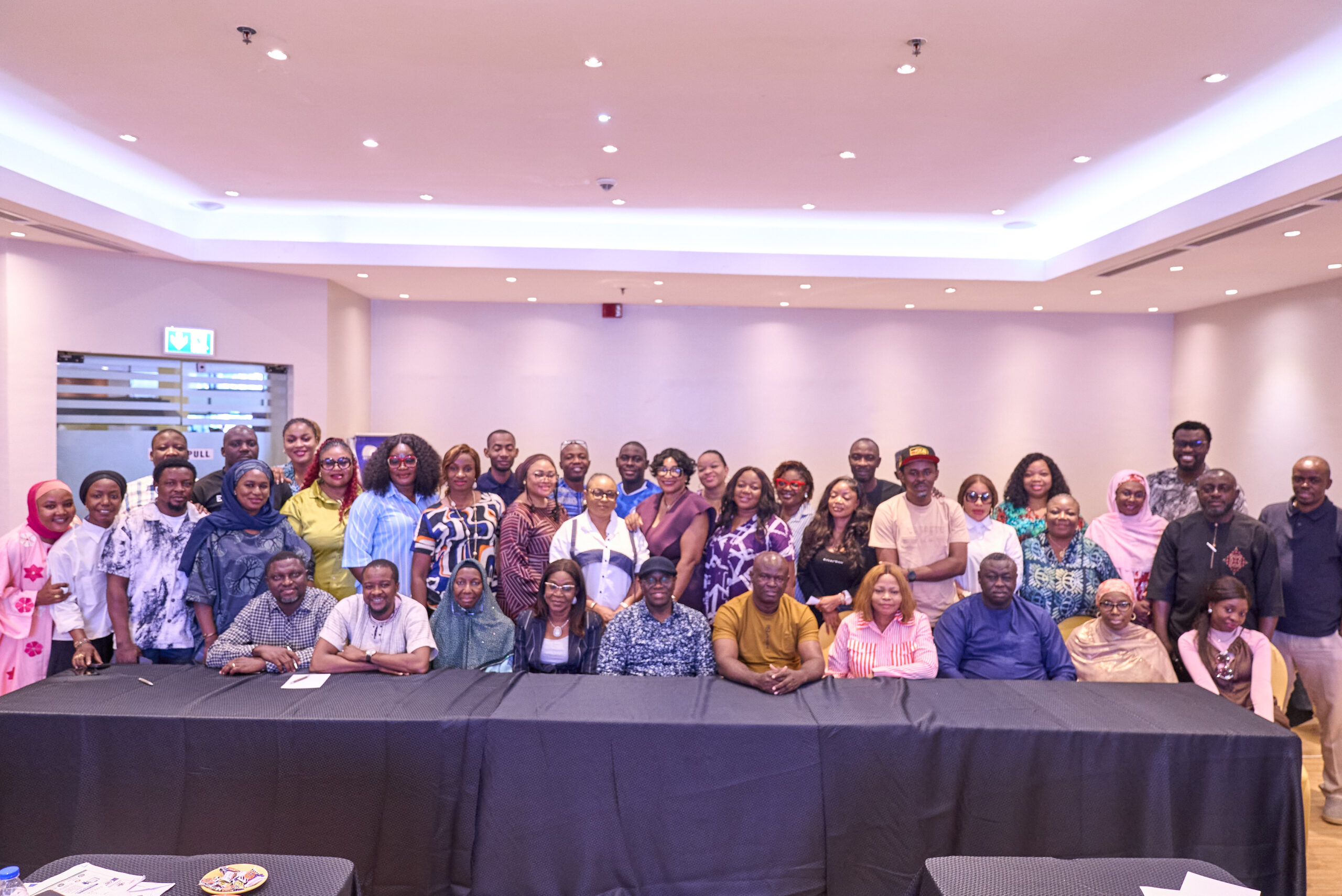
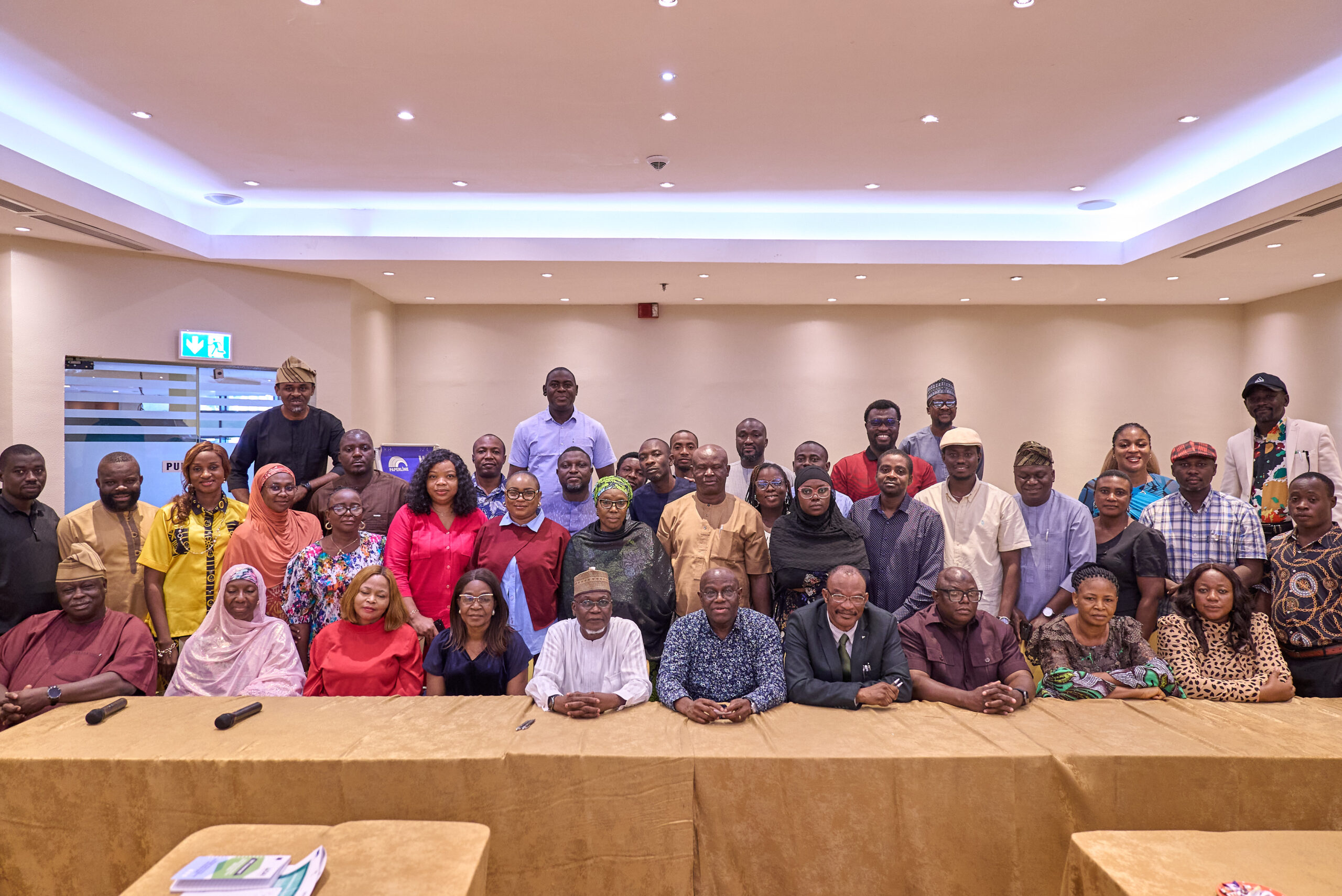
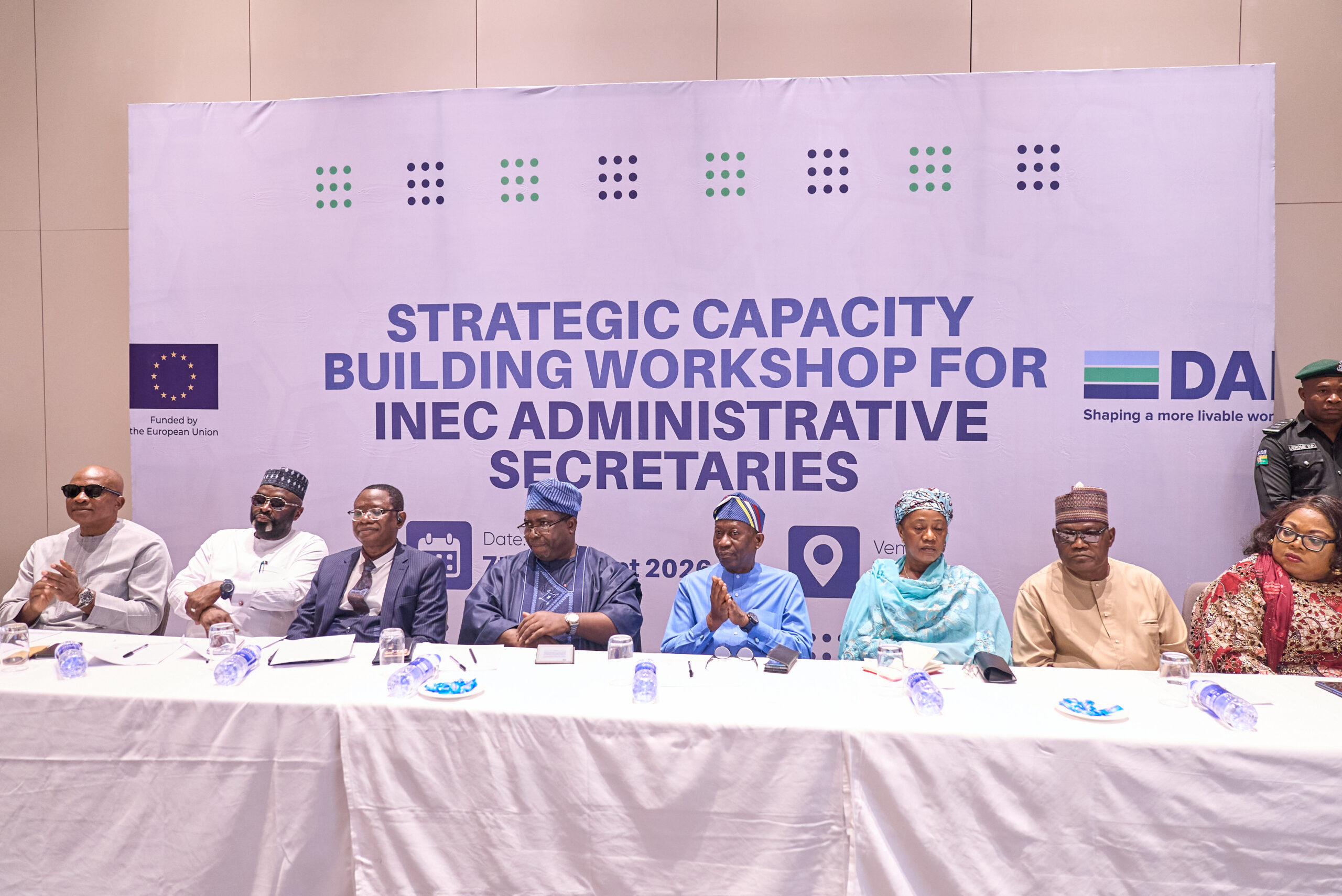

The European Union, through its Support for Democratic Governance in Nigeria Programme II (EU-SDGN II), is supporting the Independent National Electoral Commission (INEC) to strengthen its administrative capacity ahead of the 2027 general elections. The support was delivered through a two-day strategic capacity-building workshop for INEC Administrative Secretaries, held on Monday 7 and Tuesday 8 September 2026, as preparations intensify.
Implemented by DAI under the EU-SDGN II programme, the workshop focused on strengthening state-level administration, improving coordination within INEC and addressing operational challenges identified from previous electoral exercises. The sessions covered election administration, personnel, technology, logistics, finance and institutional discipline, with emphasis on ensuring that state offices are better prepared to implement the commission’s policies and operational requirements.
Speaking on behalf of DAI Team Lead Rudolf Elbling, DAI Election Administration Expert Prof Okechukwu Ibeanu said the EU-SDGN programme was specifically established to support INEC and strengthen its capacity to administer elections effectively. “The project, which is Component One of the EU-SDGN programme, is dedicated to the support of the work of INEC,” Prof Ibeanu said, describing the workshop as an innovative and important initiative.
Prof Ibeanu, a former INEC National Commissioner, said Administrative Secretaries played a critical role in translating the commission’s policies into effective operations across the states. “Administrative Secretaries have a very important role in translating the policies of the Commission into effective operations across the states,” he said, stressing the need for greater attention to officials responsible for implementing INEC’s decisions and maintaining institutional effectiveness.
He also highlighted the value of institutional experience available within the commission, noting that former INEC officials serving as resource persons brought substantial knowledge to the workshop. “What struck me about their CVs is the depth and abilities that you have amongst your Administrative Secretaries,” Prof Ibeanu said, encouraging INEC to continue drawing on the expertise of current and former officials as it prepares for the 2027 elections.
The Chairman of INEC Prof Joash Amupitan said Administrative Secretaries were critical to election delivery because they served as the chief technical, operational and administrative anchors of the commission’s state offices. “The Administrative Secretary is a critical bridge between policy and implementation, and that responsibility requires institutional discipline, neutrality and operational readiness,” Prof Amupitan said.
He said recent off-cycle elections, including the Osun State governorship election, had demonstrated the importance of timely logistics, functioning technology and disciplined administration, but warned that such successes could not mark the end of preparations. “The lessons from individual elections must now be translated into consistent national standards across all 36 states and the Federal Capital Territory,” he said.
The chairman identified voter registration and PVC distribution, logistics and materials management, electoral technology, human resources and ad hoc staff, as well as financial and administrative compliance, as areas requiring sustained attention. “We must identify emerging operational problems early enough, before they become crises that affect the credibility and efficiency of the electoral process,” he said, announcing plans for a standardised Administrative Secretary Master Operational Tracker.
INEC Secretary Mrs. Rose Oriaran-Anthony said the workshop had taken several years to materialise and was particularly timely because many Administrative Secretaries assumed their positions after the 2023 general election. “This workshop is designed as a special purpose vehicle to train, build your capacities, as well as prepare for the 2027 General Election,” she said, urging participants to use the sessions to strengthen their knowledge and operational effectiveness.
Mrs. Oriaran-Anthony said the workshop was also intended to ensure that INEC headquarters and state offices operated from the same framework.
The workshop also exposed participants to electoral technologies, including the Bimodal Voter Accreditation System (BVAS) and the INEC Result Viewing Portal (IReV), alongside discussions on logistics, finance, staff management and institutional discipline.
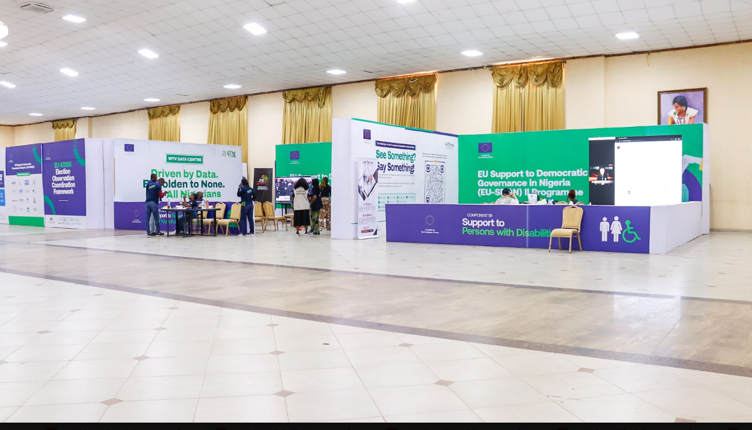
The EU-SDGN II intervention forms part of the European Union’s wider support for democratic governance and electoral institutions in Nigeria, providing technical expertise and institutional capacity aimed at strengthening preparations for credible and effective elections in 2027.