






The Federal Government said the nation’s economy has recorded more than a four percent growth in 2026, posting $12.0 billion in the first half of 2026, from $8.6 billion in the corresponding period in 2025.
Minister of Information and National Orientation, Alhaji Mohammed Idris, at a press conference in Abuja on Monday, also said inflation fell from about 27 per cent in January 2025 to around 15 per cent presently, describing it “an encouraging improvement in the outlook for household budgets.”
Alhaji Idris said government’s target is a single-digit inflation.
The minister disclosed that oil theft has reduced while production has improved “significantly, bringing more revenue to all three tiers of government.”
He stated that the nation’s external reserves exceeded $54 billion in September, the highest level in almost two decades.
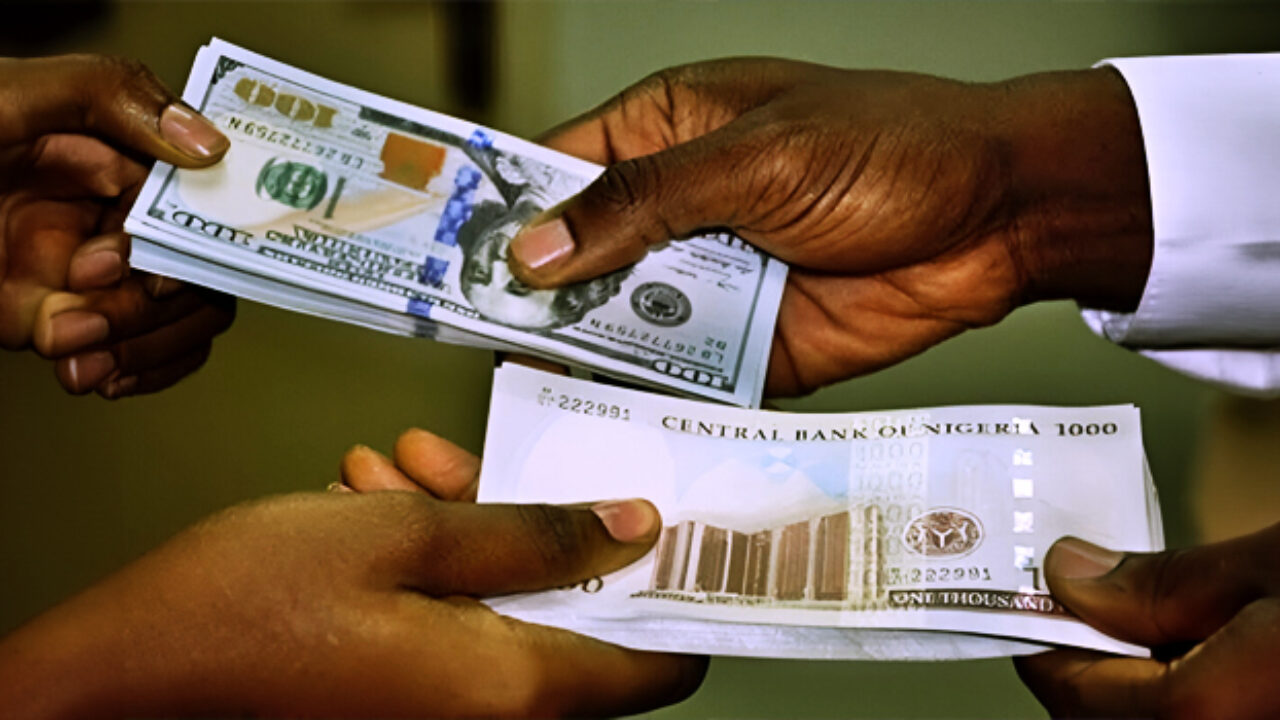
“The foreign exchange market has stabilised, enabling businesses and investors to plan more confidently for the long term,” the minister said.
Alhaji Idris noted that in 2025, Nigeria earned more than $6 billion from non-oil exports, the highest in the nation’s history, disclosing however that much of that money went to local businesses and entrepreneurs such as agriculture, mining, petrochemicals, manufacturing, processing, transporters, logistics firms and many more across the country.
“Our task now is to ensure that this clear macroeconomic recovery is felt even more widely in the lives and households of Nigerians – on the dinner table, in shops and markets, at the petrol station, and in pockets and wallets,” he stated.
He expressed the hope that ongoing road projects across the country, when completed, would open up communities, for faster movement of goods and services.
According to him, the four legacy projects of President Bola Tinubu cover about 3,000 kilometres across all six geopolitical zones, “and they are just four among hundreds of road, rail, port, power, health and education projects nationwide.
“The recently approved approximately ₦1.5 trillion highway project in Niger State will also strengthen connectivity across a vital agricultural and commercial corridor.”
Alhaji Idris said President Tinubu placed food security at the centre of national economic policy, stating that support for mechanisation, improved access to inputs, irrigation development and agricultural financing is directed at increasing domestic production, improving farmers’ incomes and making food more affordable for Nigerian families.
The minister stated that the administration is working towards building a told 10 cancer centres in the country, disclosing that five centres have already been commissioned.
“Alongside the revitalisation of primary healthcare, these investments will expand access to treatment and strengthen our national health system,” he added.
Alhaji Idris disclosed that the Presidential CNG and Electric Vehicle Initiative has so far attracted about $2.5 billion in private investment, together about ₦250 billion in government funding and commitments.
“More than 120,000 vehicles have been converted. We now have over 400 certified conversion centres, more than 90 refuelling stations, and around 180 more in development. Each one brings jobs and new business to its host community,” the minister said.
He stated that the Federal Government has issued a ₦758 billion bond to clear pension arrears inherited from as far back as 2007, involving almost one million pensioners.
“And we have issued ₦1.2 trillion in bonds to settle inherited debts owed to generation and gas companies, laying the foundation for new investments in the power sector,” he added.
Alhaji Idris said President Tinubu is committed to the economic reforms, while ensuring that the welfare of Nigerians remains paramount.
“Our approach is to consolidate the gains of these reforms, expand affordable energy alternatives, strengthen domestic production and create the conditions for sustainable reductions in the cost of living,” he added.

