





I will make life affordable again, Atiku promises Nigerians
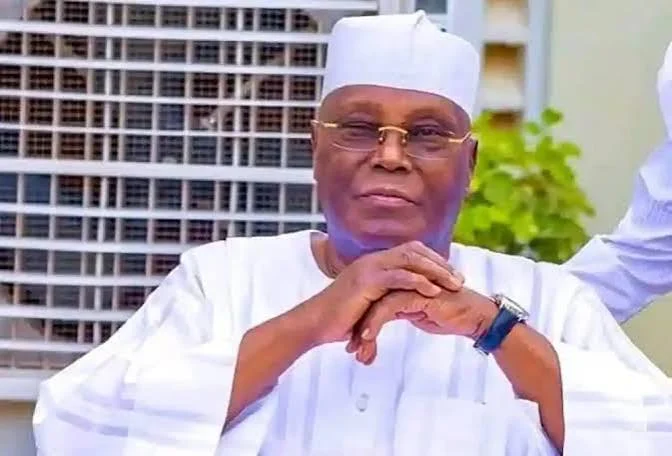
The Presidential Candidate of the African Democratic Congress, Atiku Abubakar, has faulted the government’s handling of petrol subsidy removal, as he expressed deep sympathy for Nigerians struggling under the weight of surging transport, food, and energy costs.
The former vice president pledged a direct policy shift if elected, declaring: “I will make life affordable again.”
In a statement issued on Friday by the Director of Strategic Communication of the ADC Presidential Campaign Council, Mr Phrank Shaibu, Atiku said President Tinubu’s Independence Day address did not sufficiently reflect the economic difficulties confronting ordinary Nigerians.
The former vice president particularly took issue with the President’s defence of the removal of fuel subsidy and his description of subsidies as “addictive”.
He also challenged Tinubu’s claim that salaries and pensions had been paid “on time and in full”, saying federal workers had reported delays while pensioners continued to protest over unpaid entitlements.
Atiku’s comments came against the backdrop of Germany’s decision to reduce energy taxes on petrol and diesel from October 1 to December 31, 2026, as part of measures to cushion consumers and businesses against elevated fuel prices.
The German government said the energy tax would be reduced by 14 cents per litre, with the reduction reaching about 17 cents per litre when the associated reduction in value-added tax is included. The measure is expected to provide about €2.5bn in relief to households and businesses.
German Chancellor Friedrich Merz said the measure was intended to provide quick relief to people and businesses affected by high fuel costs.
Drawing a comparison with Nigeria, Atiku said rising petrol prices had consequences beyond the cost of transportation, arguing that higher transport costs feed into the prices of food and other essential commodities.
“When petrol becomes more expensive, transport becomes more expensive. When transport costs rise, food and other essentials cost more. The hardship follows Nigerians from the filling station to the market and into their homes.
“Germany understands that when fuel prices put families under pressure, government must act. Nigerians deserve the same compassion and urgency,” the statement quoted Atiku as saying.
He further said his proposed approach would involve targeted support for locally refined petrol rather than a blanket subsidy, with government funding tied to fuel refined in Nigeria and subject to auditing.
“Our plan is to restore targeted, budgeted support for fuel refined in Nigeria, with strict auditing and a guarantee that the benefit lowers pump prices. Support will follow the barrel refined here, creating jobs here and easing costs for Nigerians. It will be funded by cutting waste, protected against diversion and price manipulation, and will not apply to imported fuel,” he added.
He also expressed sympathy for Nigerians struggling to cope with higher transportation, food and household costs, while promising a change in economic policy if elected.
“To every Nigerian forced to choose between feeding a family, paying for transport or meeting another basic need, I am deeply sorry. You did not deserve this hardship. Tinubu made life unbearably expensive and called your suffering the price of reform. I will make life affordable again, he said.
Atiku noted that reducing fuel costs would have wider effects across the economy by lowering transportation expenses and potentially reducing the cost of moving goods to markets.
“Lower fuel costs can mean a cheaper bus ride, more affordable goods at the market and more money left in a family’s pocket,” he stressed.
The controversy over petrol pricing has remained central to Nigeria’s economic debate since the Tinubu-led administration announced the removal of the petrol subsidy in May 2023. The policy was followed by a sharp increase in pump prices and transportation costs, while the government has defended the reform as necessary to reduce the fiscal burden of subsidising petrol and redirect public resources.
The government has also pointed to measures including wage adjustments, social intervention programmes and other reforms as efforts to cushion the impact of the changes.
Atiku, however, maintained that the government should take more direct steps to reduce the burden on households.
“Nigeria’s wealth should ease the burden on its people,” he said, adding that his proposed approach would be to “produce here, create jobs here and make life affordable again.”
All rights reserved. This material, and other digital content on this website, may not be reproduced, published, broadcast, rewritten or redistributed in whole or in part without prior express written permission from PUNCH.
Contact: [email protected]
Stay informed and ahead of the curve! Follow The Punch Newspaper on WhatsApp for real-time updates, breaking news, and exclusive content. Don’t miss a headline – join now!
Stay in the know—fast. Get instant alerts, breaking headlines, and exclusive stories with the Punch News App. Download now and never miss a beat.
Source: Punch Newspapers – Latest News