







A new partnership between the Nigerian Indigenous Women in Mining and Natural Resource Organisation (NIWIMNRO) and the Africans for Africa (AFA) Initiative is set to promote gender-inclusive mining, formalise women miners and expand community development across Nigeria’s extractive sector.
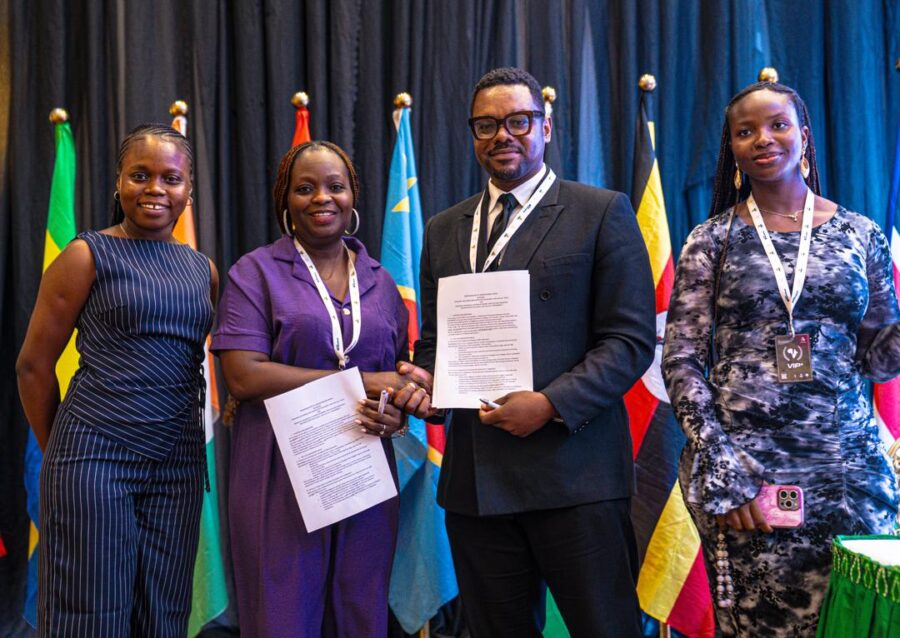
The two organisations signed a Memorandum of Understanding (MoU) at the African Natural Resources and Energy Investment Summit (AFNIS) 2026, establishing a strategic collaboration aimed at ensuring that mining investments deliver wider social and economic benefits to local communities.
The agreement seeks to make mining investments more socially responsible and gender-responsive while strengthening sustainable development in mining host communities through greater local participation.
It also aligns with AFA’s 51 per cent African Benefit Mandate and the MADE Framework for Sustainable Resource Development, both designed to increase local participation and shared prosperity from Africa’s natural resources.
Related Posts:
- FULL TEXT: Dapo Olorunyomi’s lecture at Ajayi Crowther University on Nigerian journalism
- From Borno to Oriire: 2,573 abducted in 31 violent Nigerian school attacks over 12 years
- ASUU warns of looming industrial unrest over agreement implementation, welfare issues
- Unsafe, Unprotected: Oyo schoolgirls suffer in silence over lack of menstrual facilities
The MoU will run for an initial three years, with provisions for renewal and expansion based on the success of the partnership.
Women at the heart of mining development
Under the agreement, NIWIMNRO will serve as AFA’s lead strategic adviser on community development and social impact initiatives linked to mining investments in Nigeria.
The organisation will support the development of a comprehensive Community Development Agreement (CDA) framework, including baseline socio-economic assessments of mining communities, social impact measurement tools and gender-responsive investment strategies targeting women and other vulnerable groups.
A major component of the partnership is the formalisation and strengthening of the artisanal and small-scale mining (ASM) sector through the organisation of indigenous women miners into structured cooperatives.
The partners said the initiative would enable women miners to participate in formal commercial arrangements, access technical support and benefit from wider economic opportunities across the mining value chain.
The collaboration will also facilitate the establishment of mineral aggregation hubs for commodities such as lithium, gold and tin to improve grading, market access and integration into AFA-backed global supply chains.
According to the organisations, the initiative is expected to create new economic opportunities for women miners while increasing the benefits accruing to mining host communities.
Community development projects
As part of the agreement, NIWIMNRO has also been designated AFA’s official implementation partner for community-focused projects in Nigeria.
In this role, the organisation will oversee health, education and water, sanitation and hygiene (WASH) projects funded through mining royalties while serving as a liaison between investors and community leaders to strengthen trust and support sustainable mining operations.
Commenting on the partnership, NIWIMNRO’s Executive Director, Felicia Dairo, described the agreement as a milestone in advancing gender-inclusive development within Nigeria’s mining industry.
“This partnership demonstrates that mining investments can and should create value beyond mineral extraction. By intentionally integrating women into mining value chains and ensuring that host communities benefit from resource development, we can build a more inclusive, sustainable and prosperous sector that works for everyone,” she said.
She noted that placing indigenous women at the centre of mining value chains would improve livelihoods while ensuring that communities hosting mining activities derive greater social and economic benefits from resource development.
Driving inclusive mining
Under the partnership, AFA has also committed to prioritising projects that adopt NIWIMNRO’s cooperative model and to supporting investments in value-addition infrastructure, including mineral processing facilities that create employment and commercial opportunities for local miners and communities.
For NIWIMNRO, the collaboration reinforces its mission to empower women miners through advocacy, capacity building, policy engagement and community development, with a focus on improving access to economic opportunities, health services, safety measures and leadership roles within the sector.
To oversee implementation, both organisations will establish a Joint Steering Committee that will meet quarterly to monitor progress, review outcomes and guide the execution of joint projects.
Author
-
Sodiq Mojibola is a Nigerian-based multimedia journalist. He has experience covering metro and environment beats.
Source: Development Reporting