










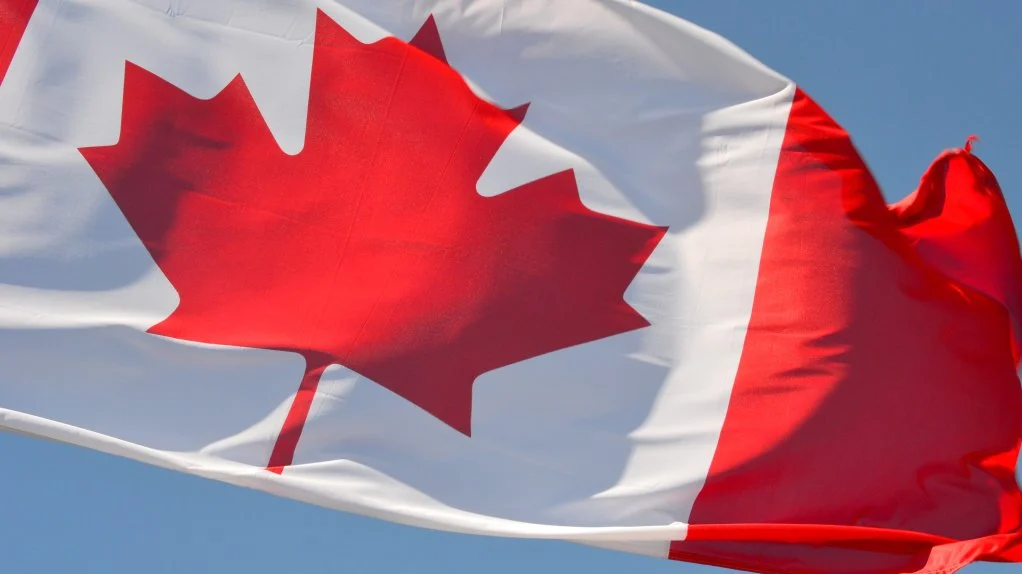
Canada to set new targets for immigrants, temporary residents
Canada is expected to unveil its next Immigration Levels Plan for 2027–2029 in early November, setting new targets for permanent resident admissions and temporary resident arrivals, including international students and temporary foreign workers.
In a post on Immigration news Canada on X Thursday, said the plan will establish Canada’s first official target for permanent resident admissions in 2029 and will also confirm or revise the indicative targets for 2027 and 2028 contained in the current 2026–2028 Immigration Levels Plan.
The new targets are expected to be closely watched by prospective immigrants, international students and temporary workers as the federal government determines the future scale and composition of immigration.
“Under Section 94(1) of the Immigration and Refugee Protection Act, the Minister of Immigration, Refugees and Citizenship is required to table the annual immigration report containing the levels plan in each House of Parliament on or before November 1.
“Where Parliament is not sitting on November 1, the legislation provides for the report to be tabled within the next 30 days on which the House is sitting.
“November 1, 2026 falls on a Sunday, meaning Parliament will not be sitting that day. The plan is therefore expected to be tabled when Parliament next sits, likely in the first few days of November,” the post read.
The current 2026–2028 Immigration Levels Plan was released on November 5, 2025.
The forthcoming plan comes as the federal government continues to adjust immigration levels following measures introduced to reduce the number of temporary residents and moderate population growth.
Prime Minister Mark Carney, in an interview with _The New York Times_ reported on September 29, said that with Canada’s immigration system back under control, the question was when the country would resume a “controlled increase” in population.
The remarks have prompted renewed attention to the possibility of future increases in immigration levels, although the government has not announced specific targets for 2027–2029.
The permanent resident target will be one of the major figures to watch, but the allocation of admissions across different immigration categories could prove equally significant.
The new plan is expected to provide details on areas including economic immigration, Express Entry, provincial nominee programmes, family reunification and Francophone immigration.
The government’s approach to temporary residents will also be closely watched, particularly the targets for international students and temporary foreign workers.
For prospective immigrants, the distribution of available spaces among the various programmes could determine the opportunities available through specific immigration pathways.
The 2027–2029 plan will therefore provide an important indication of the federal government’s approach to immigration, temporary migration and population growth over the next three years.
All rights reserved. This material, and other digital content on this website, may not be reproduced, published, broadcast, rewritten or redistributed in whole or in part without prior express written permission from PUNCH.
Contact: [email protected]
Stay informed and ahead of the curve! Follow The Punch Newspaper on WhatsApp for real-time updates, breaking news, and exclusive content. Don’t miss a headline – join now!
Stay in the know—fast. Get instant alerts, breaking headlines, and exclusive stories with the Punch News App. Download now and never miss a beat.
Source: Punch Newspapers – Latest News