







The Independent National Electoral Commission (INEC), has called on its Electoral Logistics Committee (ELOC) to ensure timely delivery of election materials to the 176,846 polling units across the country, on election day.
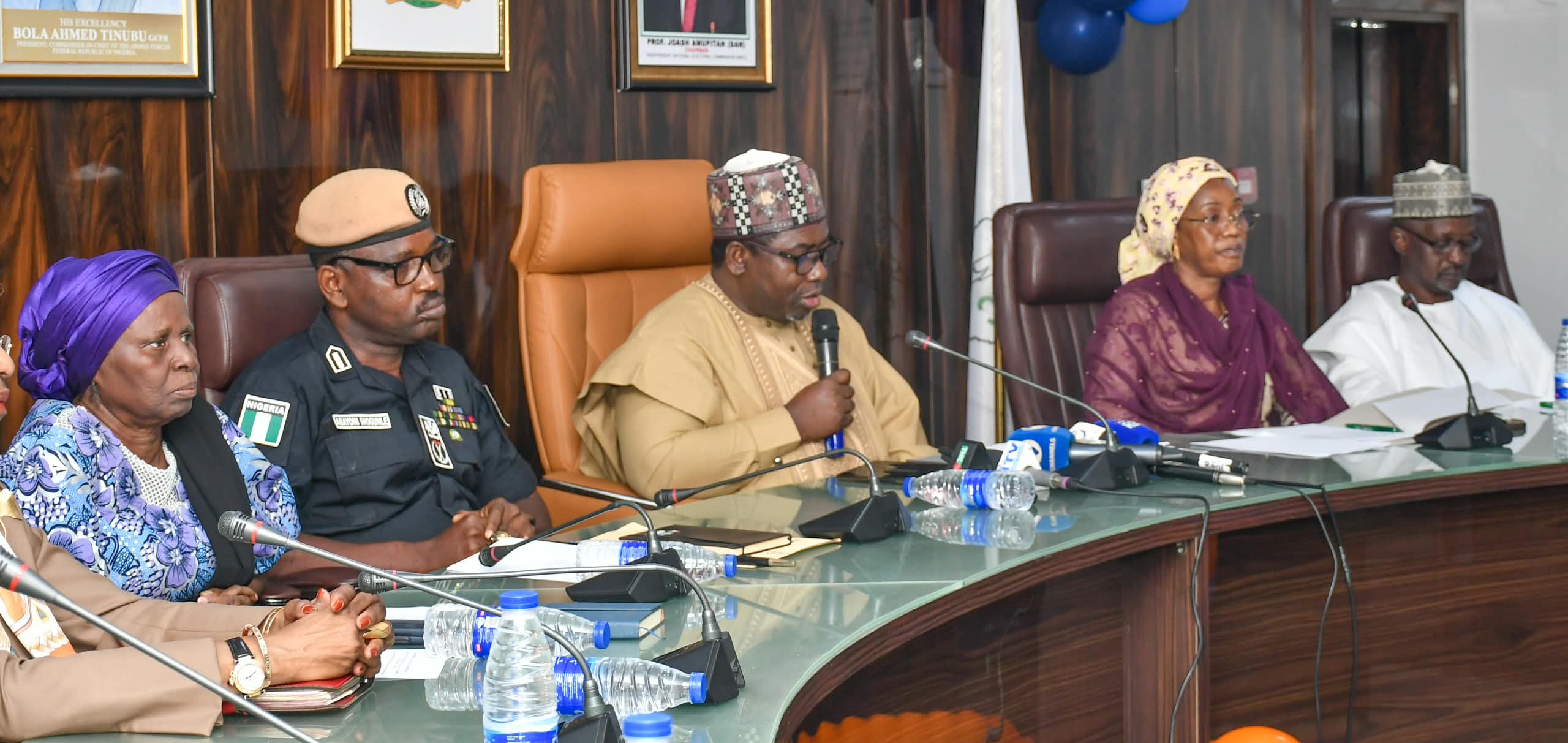
INEC Chairman Prof. Joash Amupitan who spoke on Thursday at inauguration of the committee, said Nigeria’s geography, from the creeks of the Niger Delta to the arid plains of the north, demands a logistics plan that is both flexible and resilient.
“We must anticipate the weather, the terrain and the security environment to ensure that no Nigerian is disenfranchised due to late arrival of materials,” Prof. Amupitan told the committee.
The INEC Chairman who removed the 2027 general election as “a marathon, not a sprint,” said the inauguration marked the beginning of INEC’s journey towards the general election, with a primary focus on strengthening the pillars that support the democratic process.
He stated that logistics remains one of the most critical of these pillars and often the most challenging.
Prof. Amupitan explained that the commission opted for a multi-agency approach in view of the complexities of moving men and materials across the vast and varied terrain of Nigeria.
According to him, the inclusion of security and logistics experts from various arms of service “underscores our resolve to treat election logistics as a matter of national priority.”
He noted that the success of any election depends largely on logistics, stressing that the credibility of the process is ultimately judged by whether voters find their polling units open, equipped and ready at the appointed time.
“Election logistics involve the intricate movement of both sensitive and non-sensitive materials by land, sea and air. It requires precision, security and timeliness. This is why we are starting early,” he said.
The INEC Chairman outlined the committee’s terms of reference to include assessing the total logistics requirement for the 2027 general election and developing a comprehensive plan for the storage, distribution, deployment and retrieval of all election materials.
The committee is also to audit the readiness of warehouses, vehicles and transport hubs, including airports and seaports, identify gaps at all levels and recommend corrective measures.
Other terms of reference include monitoring compliance with approved logistics plans and schedules, identifying and mitigating risks such as transportation bottlenecks, shortages and security threats, and formalising arrangements for the secure transport of materials through road, air and maritime channels.
The committee will also liaise with government agencies and transport unions, coordinate with INEC departments and state offices, and submit periodic reports and recommendations to the commission.
Prof. Amupitan announced Rear Admiral Jamila Malafa (rtd), a National Commissioner, as Chairperson of the committee, hoping that her distinguished career, combined with the specialised skills of members drawn from military and paramilitary bodies, would provide the discipline and strategic oversight required for the task.
Admiral Malafa in her speech, said managing election logistics is the operational bedrock of the nation’s democratic process, directly impacting electoral integrity and public confidence.
She said the core mandate of the committee was to drive a strategic plan, informed by a review of past elections, to ensure seamless deployment of logistics equipment and eliminate systemic and critical vulnerabilities.
Rear Admiral Malafa listed the committee’s areas of focus to include strategic air and cargo planning for the airlift, receipt and distribution of sensitive materials to airports and state capitals.