







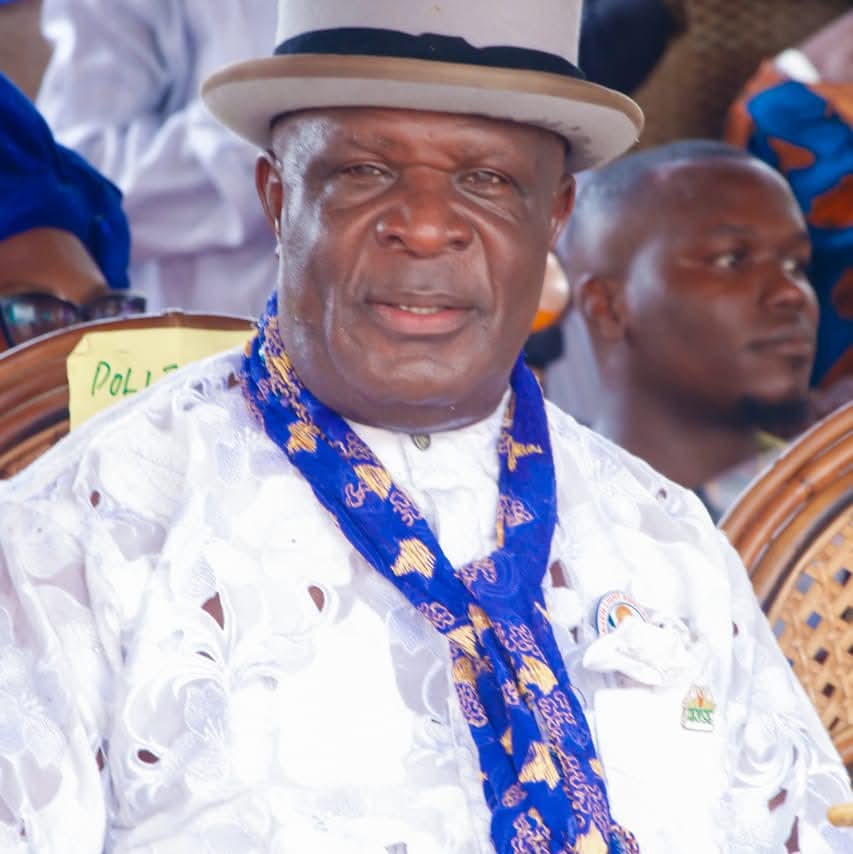
Dr Godwin Ntukudeh, the Special Adviser on Political Affairs to Akwa Ibom State Governor, Umo Eno, has said the State Government’s political strategy ahead of the 2027 general elections is anchored on sustaining political unity in the state and mobilising support for the governor, the All Progressives Congress (APC), President Bola Ahmed Tinubu, and Senate President Godswill Obot Akpabio.
Ntuk Udeh, who spoke in an interview, said the administration’s “Akwa Ibom United” philosophy had helped reduce political divisions and created what he described as a broad coalition across party, ethnic and religious lines.
He said the state was awaiting the formal campaign directives from the APC before commencing full-scale campaign activities for the President.
“The Akwa Ibom structure is also well scripted by Pastor Umo Eno. Once the federal structure and directives of the ruling APC arrive in the state, the state will commence the campaigning processes for Mr President,” Akparawa Ntukudeh assured
Dr Ntukudeh explained that Governor Eno’s decision to bring political stakeholders together was demonstrated during the recent congresses that produced candidates for the 2027 elections.
He described the peaceful conduct of the exercise as evidence that the governor’s unity agenda had become an “organic” political culture in the state.
According to him, the governor had presented the idea of political unity to stakeholders and secured their support for a political arrangement that prioritises the collective interest of the state.
He described the development as a “test case” for what Akwa Ibom could achieve during the 2027 elections.
He added, “During the congress, there was no war. It did not even appear there was anything going on. Brotherly love prevailed, and whoever emerged was accepted because people believed that the person deserved to be there at that particular time.”
According to him, the peaceful atmosphere surrounding the congresses showed that Akwa Ibom politicians were increasingly willing to subordinate personal interests to the larger interest of the state.
Dr Ntukudeh attributed the development to what he called the governor’s “inclusive” approach to governance, particularly in the distribution of appointments and projects.
He said government projects were increasingly based on the needs of communities rather than political affiliation.
“We operate NEED-centred, NEED-originating projects and programmes here, so that as we provide the project, there is a buy-in because it meets the yearning and aspiration of the citizenry,” he said.
The governor’s aide also dismissed concerns that the relative political calm in the state could result in voter apathy in 2027.
He argued that beneficiaries of government programmes would be motivated to vote as a way of expressing appreciation for the administration.
Dr Ntukudeh listed youths, civil servants, retirees and market women, whose loans were converted to grants, pensioners, entrepreneurs, beneficiaries of health insurance schemes and recipients of housing interventions among those he expects to participate actively in the election.
“Our people are famously ingrained with the spirit of appreciation,” he said.
He added that young people who had benefited from government programmes would have reasons to participate in the election.
“When you look at the corps members, female youths that hitherto were cheerleaders are now entrepreneurs; they’re going to come because what has happened to them has never happened. The retirees and pensioners are getting what they have never seen, so they are going to come and appreciate,” he boasted.
The Governor’s political adviser also linked the administration’s youth empowerment programmes to the relative peace and political stability being experienced across the state.
He cited the establishment of youth-friendly centres across the 31 local government areas, describing them as platforms where young people could interact, acquire skills, receive mentorship and discuss issues affecting their future.
He also referenced the administration’s skills acquisition and entrepreneurship programmes, grants, scholarships and other interventions targeted at young people.
According to him, the administration has deliberately moved beyond short-term empowerment by providing beneficiaries with the tools and resources required to establish sustainable businesses.
He pointed to the integration of village youth presidents into the state’s grassroots governance and security architecture as another major initiative.
Ntukudeh said the appointment of village youth presidents across the state had given young people a direct role in community development and security, while creating a stronger connection between government and the grassroots.
He argued that the youth-focused initiatives had created a generation of young people who could look into the future with greater confidence.
“The Governor has created a tomorrow that has hope, reliance and confident trust that tomorrow is a better deal,” he said.